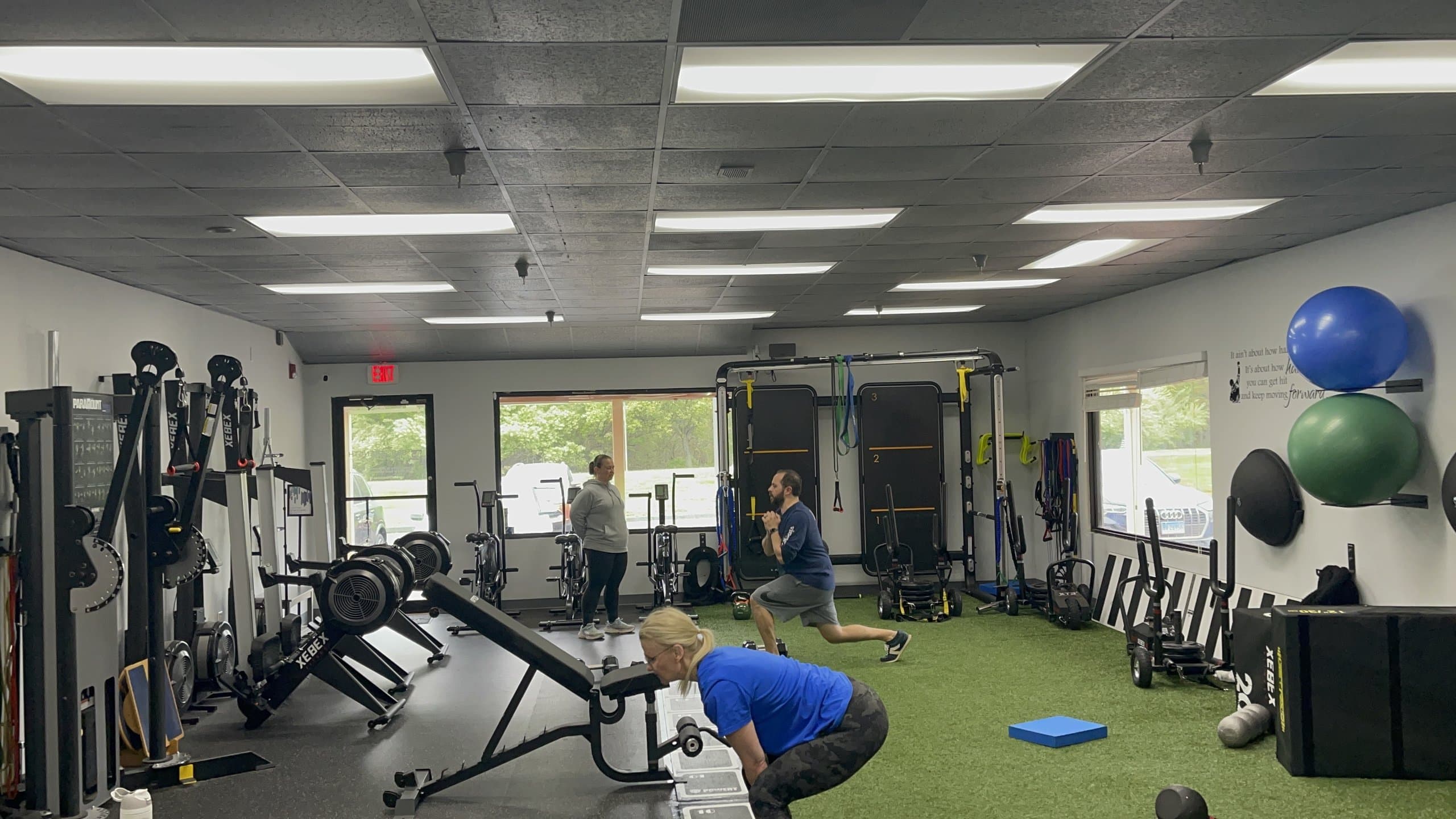
Something changes around 40 that most generic strength training gym Monroe CT programs don't account for: your joints and your recovery no longer forgive a sloppy program the way they did at 25. That doesn't mean you train less hard. It means the plan has to be built differently.
What Actually Changes After 40
Load tolerance doesn't disappear, but recovery slows down, and old injuries — a shoulder, a knee, a lower back — start to have opinions about your program whether you ask them to or not. A program that doesn't know about those things isn't a stronger program. It's just a riskier one.
Start With What Your Body Can Actually Do
This is why every member at 838 — regardless of age — starts with a functional movement screen before the first working set. The screen isn't a formality. It's how we find the muscle imbalances, the ranges that are tight, and the patterns that need attention, so your program is built around what your body can do today — not a generic template.
An InBody Scan Instead of a Guess
We also use an InBody body composition scan at the start and then monthly, which gives us an accurate read on muscle mass, body fat and metabolic rate — a real starting point instead of a guess based on the scale alone.
What “Beginner” Should Actually Mean at 40+
If you're newer to lifting, strength training for beginners Monroe CT doesn't need to mean starting over from nothing — it means starting with correct technique and a program that respects whatever you're already carrying. That's the whole argument for working with a personal trainer Monroe CT rather than following a program built for someone half your age: the exercises might look similar, but the loading, the pace and the exceptions are not.
Strength and Conditioning, Not Just Strength
Getting stronger without beating up your body also means paying attention to conditioning, mobility and recovery, not just the barbell. Our strength and conditioning classes Monroe CT — whether semi-private or fully private 1-on-1 — build all three into the same 55-minute session, so conditioning and mobility work are part of the plan, not something you're expected to handle on your own time.
It Doesn't Stop Mattering as You Get Older
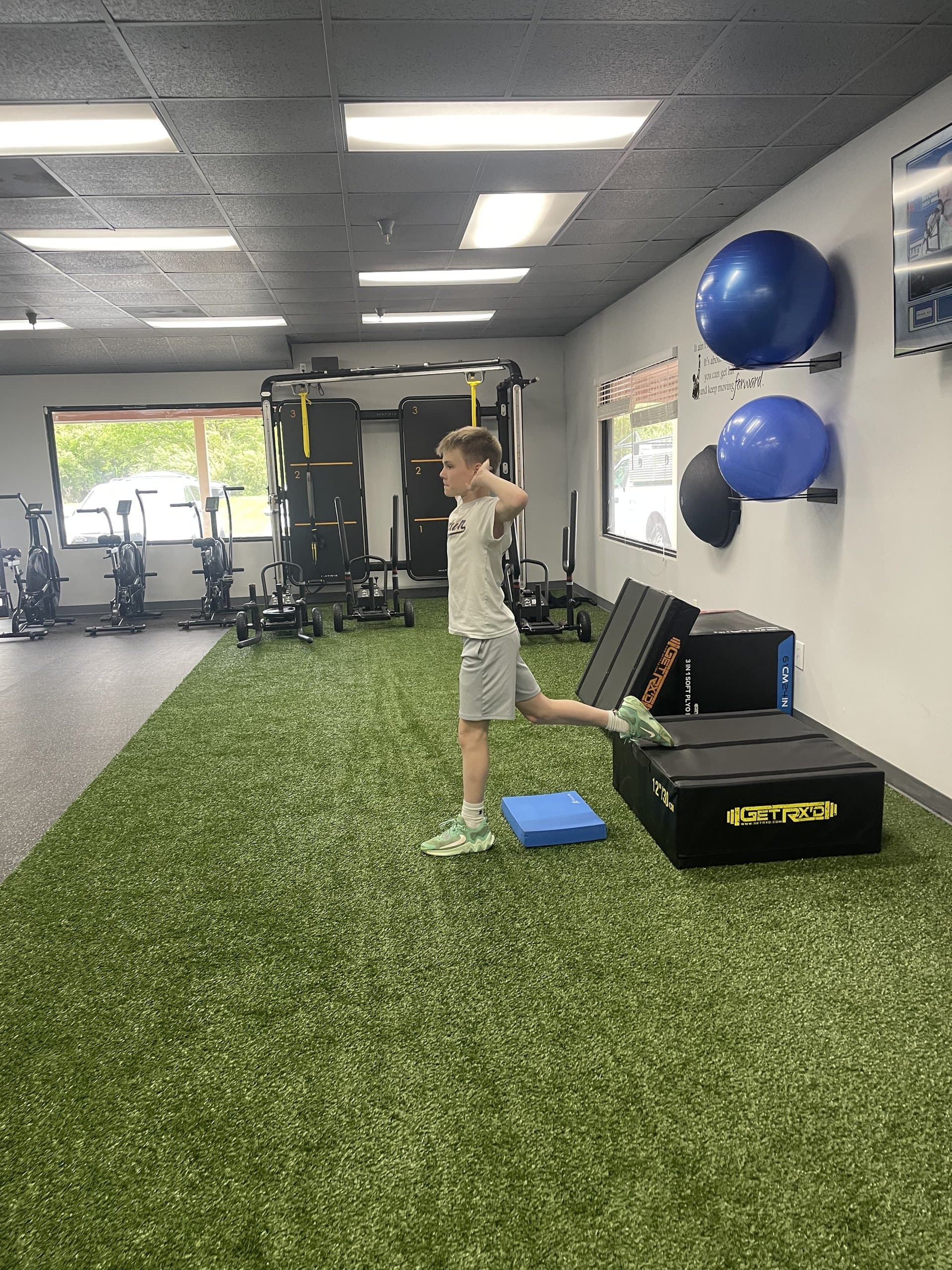
None of this is about training less. People training with us in their 50s, 60s and beyond are still getting stronger — they're doing it with a program built around a screen instead of a guess. If your kids are also in the picture, it's worth knowing the same screen-first approach carries over into youth athlete training too — programming around the person, not just handing out a generic plan, doesn't change with age.